The Advocate Binder blog
Practical guidance, in plain English
No jargon, no fluff — just clear help for the work you’re already doing.

How to Prepare for an IEP Meeting (Without the Overwhelm)
A calm, step-by-step checklist for walking into your child’s IEP meeting prepared and confident — even if you only have an hour to get ready.

FAPE and LRE: Two Acronyms Every Parent Should Understand
Two of the most important terms in special education — explained in plain English, and why they matter for your child’s IEP.

Why Tracking Behavior Helps You Find the Patterns That Matter
Logging behaviors isn’t about documenting bad days — it’s about finding the triggers, times, and settings that reveal what your child actually needs.

Got an Insurance Denial for Therapy? Here's Your First Move
A denied authorization for ABA, speech, or OT isn’t the end of the road. Understanding the appeal process — and acting fast — makes all the difference.

IEP vs. 504 Plan for Autism: Which Does Your Child Need?
Both IEPs and 504 plans support children with disabilities — but they work differently, serve different needs, and come with very different protections. Here’s how to know which one fits your child.
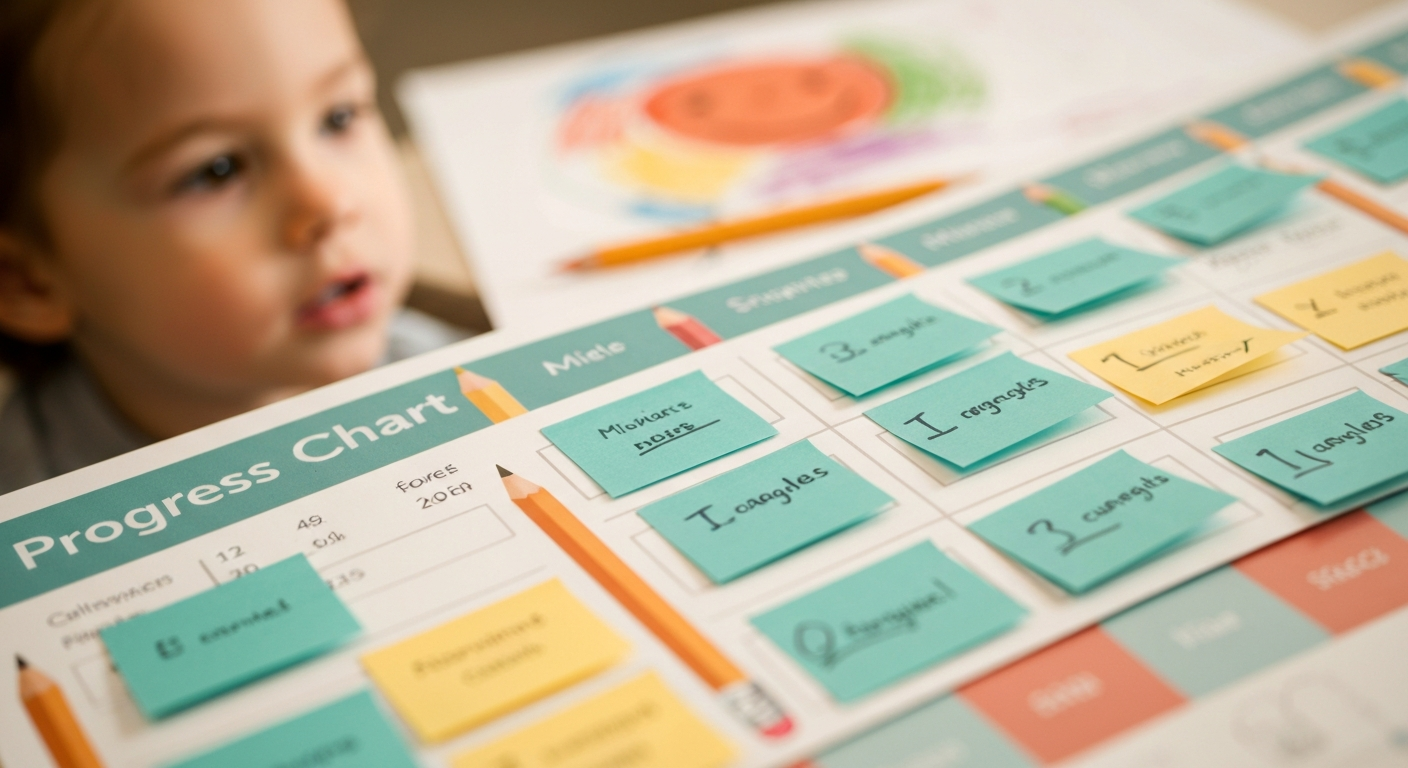
IEP Goals for Autism: What Good Ones Look Like (With Examples)
Not all IEP goals are created equal. Here’s how to spot strong, measurable goals for a child with autism — and exactly what to push back on when they’re not.
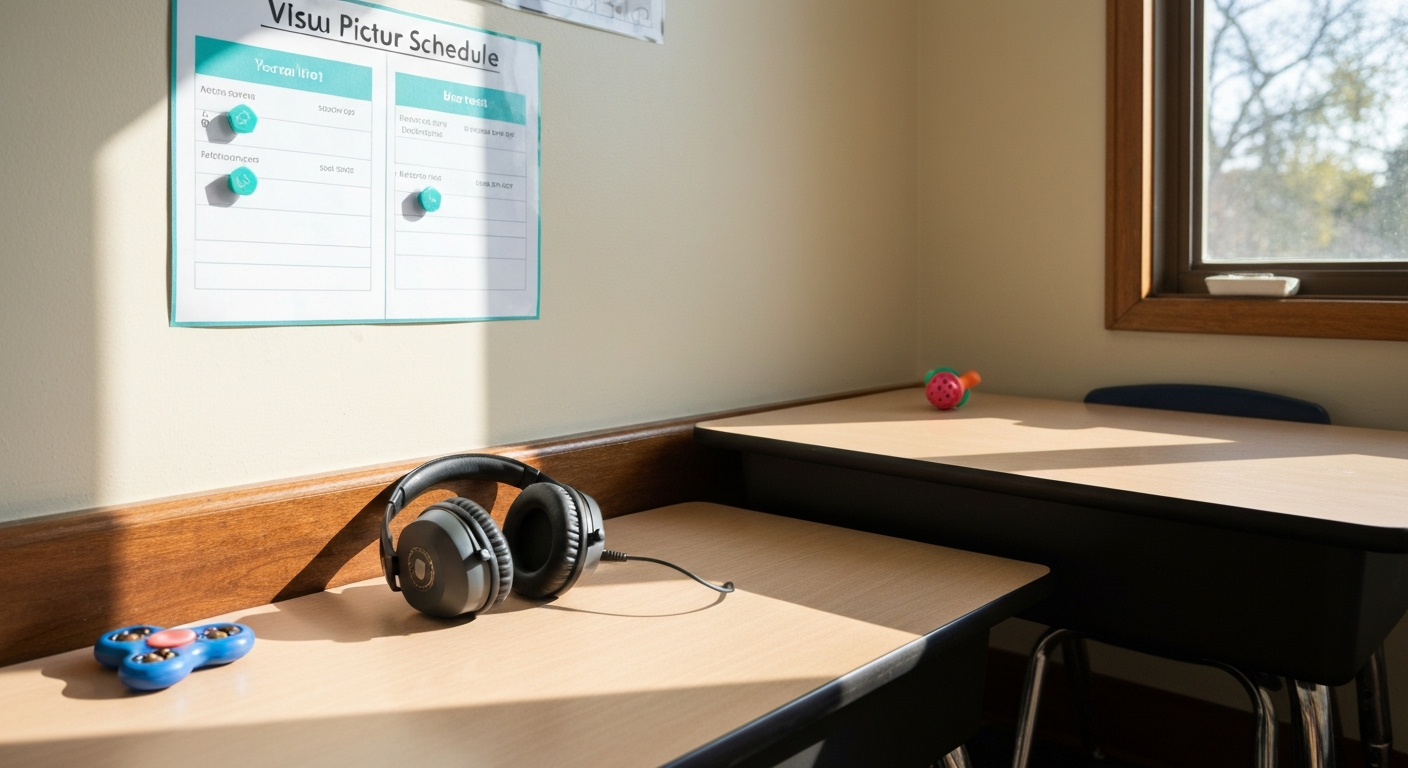
IEP Accommodations for Autism: A Parent's Complete Guide
Accommodations are the adjustments that help your child access learning without changing what they’re taught. Here’s what to ask for, what to watch out for, and how to make sure they actually happen.
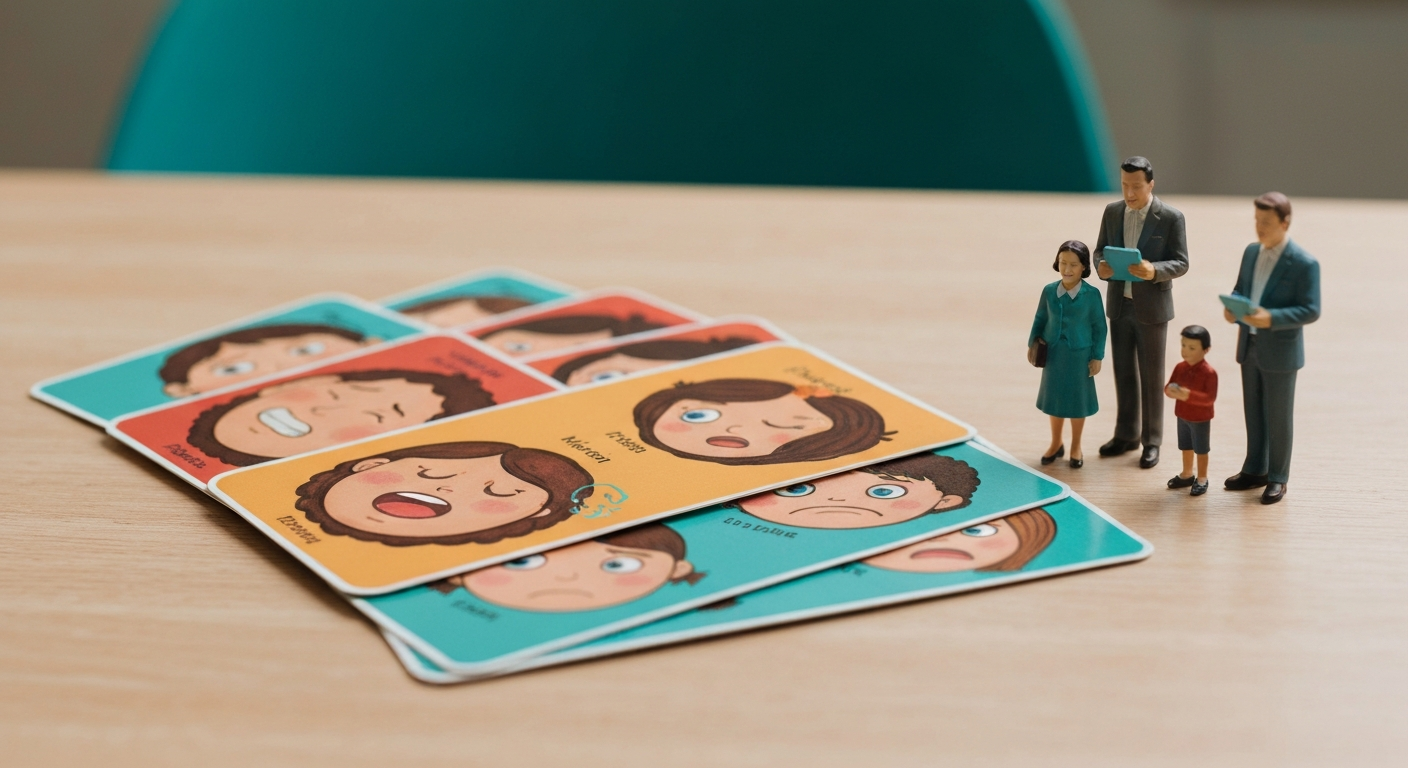
Social-Emotional IEP Goals for Autism: A Parent's Practical Guide
Social and emotional skills are often where children with autism face the greatest challenges — and where the most vague IEP goals get written. Here’s how to identify meaningful goals and what to push back on.

The Best Questions to Ask at an IEP Meeting for a Child with Autism
Walking into an IEP meeting without a question list means relying on memory under pressure. These are the questions that get real answers — and show the team you’re paying close attention.
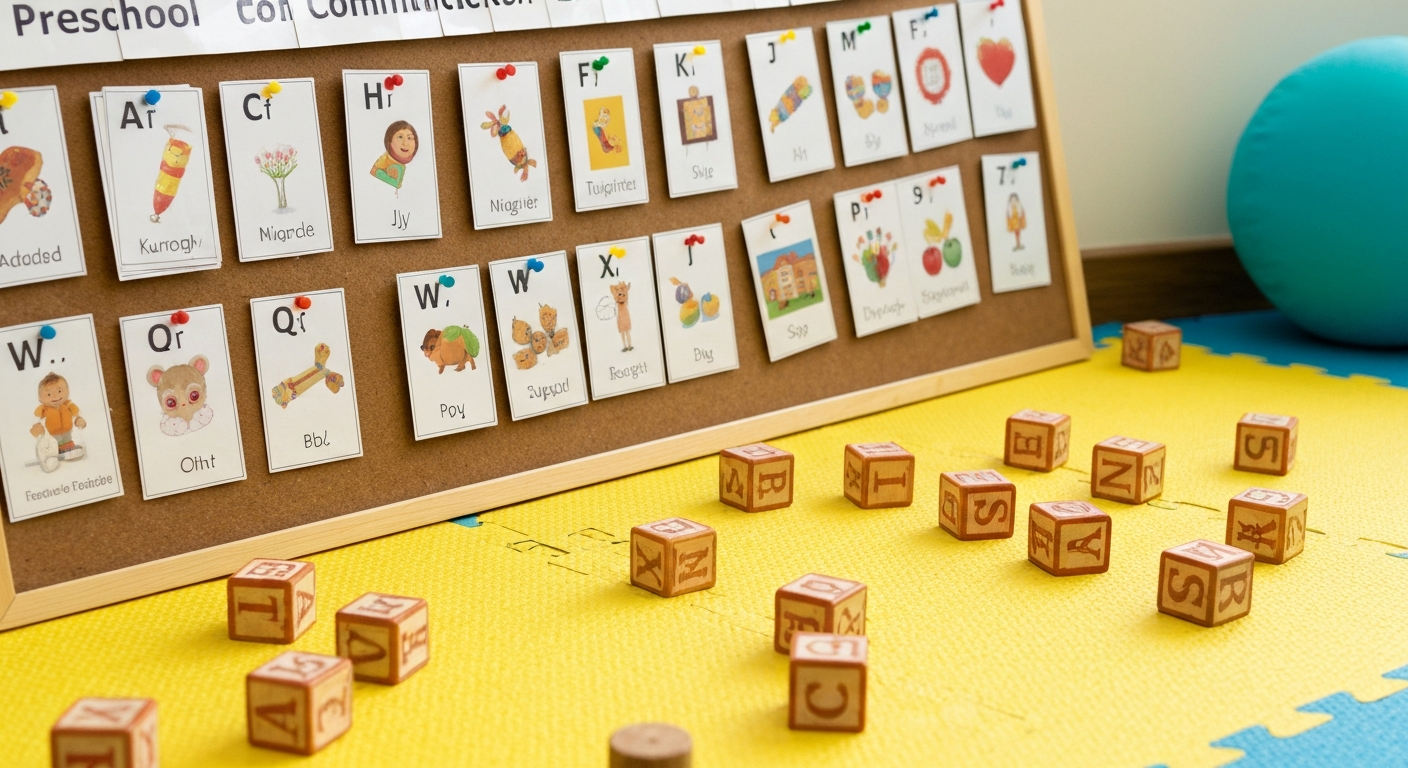
IEP Goals for Preschool Children with Autism: What to Look For
Early intervention IEP goals look different from school-age goals — and they should. Here’s what strong preschool IEP goals cover, and how to advocate effectively in these foundational years.

Your Rights as a Special Education Parent: A Plain-English Guide
IDEA gives parents a powerful set of legal rights in the special education process — but only if you know they exist. Here are the ones that matter most, explained without the legal jargon.

How to Read Your Child's IEP: A Section-by-Section Guide
An IEP document can run 20+ pages and be dense with jargon. Here’s how to read it like an advocate — section by section — so you know exactly what the school is promising and what to push back on.
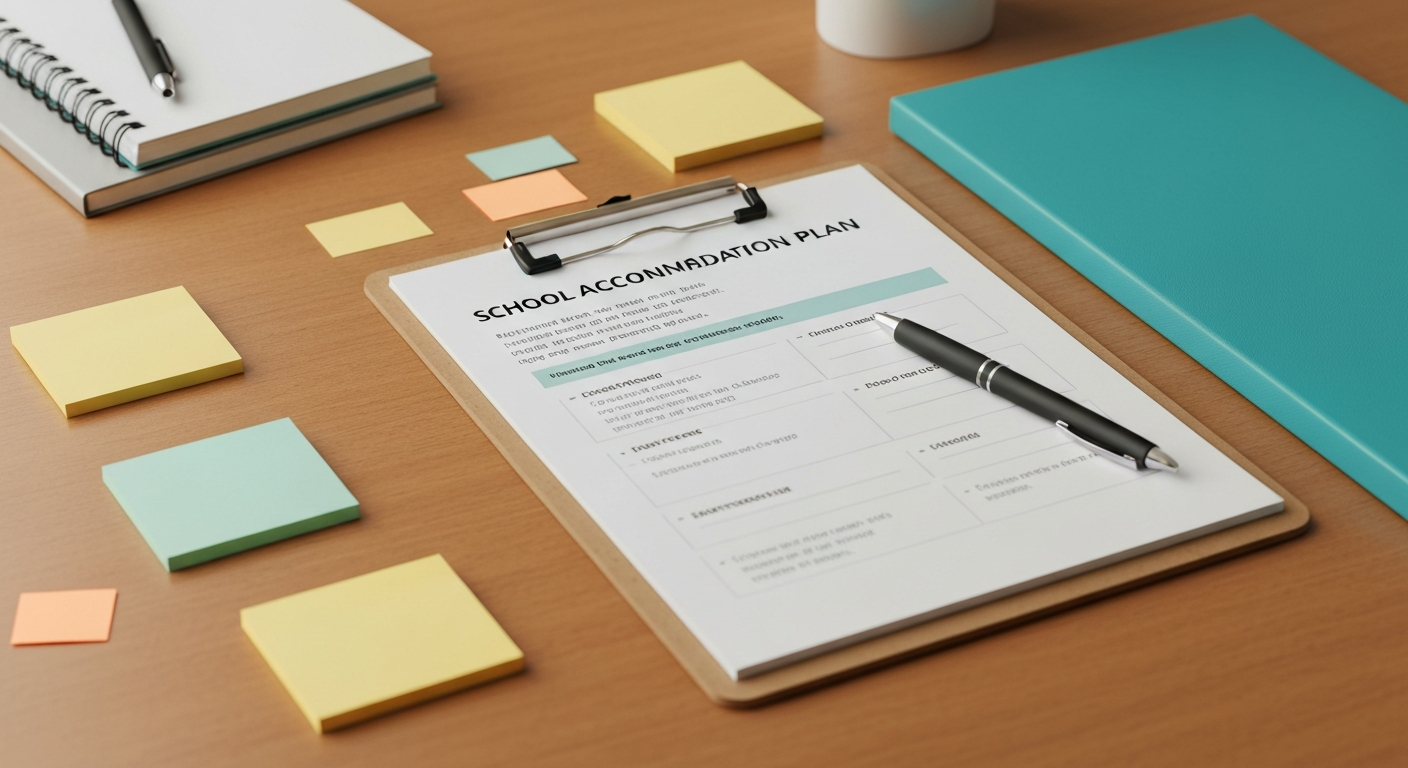
What Is a 504 Plan? A Parent's Plain-English Guide
If your child has a disability that affects their learning but doesn't require specialized instruction, a 504 plan may be exactly the right tool. Here's what it covers, who qualifies, and how to request one.

How to Get an IEP for Your Child: A Step-by-Step Parent Guide
If you think your child needs special education services, you have the legal right to request an evaluation — and the school must respond. Here's exactly how the process works, from your first written request to a signed IEP.

What Is a Letter of Medical Necessity? (With a Free Template)
A strong letter of medical necessity can overturn a denial for your child's ABA, speech, or OT. Here's what it is, what makes it work, and a real template you can adapt.

Behavior Intervention Plans (BIP): A Parent's Guide
A behavior intervention plan turns challenging moments into a teachable system. Here's how a BIP works, what a strong one contains, and your role in shaping it.

Functional Behavior Assessment (FBA): What Parents Need to Know
Before a behavior plan can work, the team has to understand WHY a behavior happens. That's what an FBA is for — here's how the process works and how to request one.

Special Education Acronyms: The Complete Parent Glossary
IEP, FAPE, LRE, FBA, BIP, IEE — special education runs on alphabet soup. This plain-English glossary decodes 80+ acronyms so you never feel lost in a meeting again.
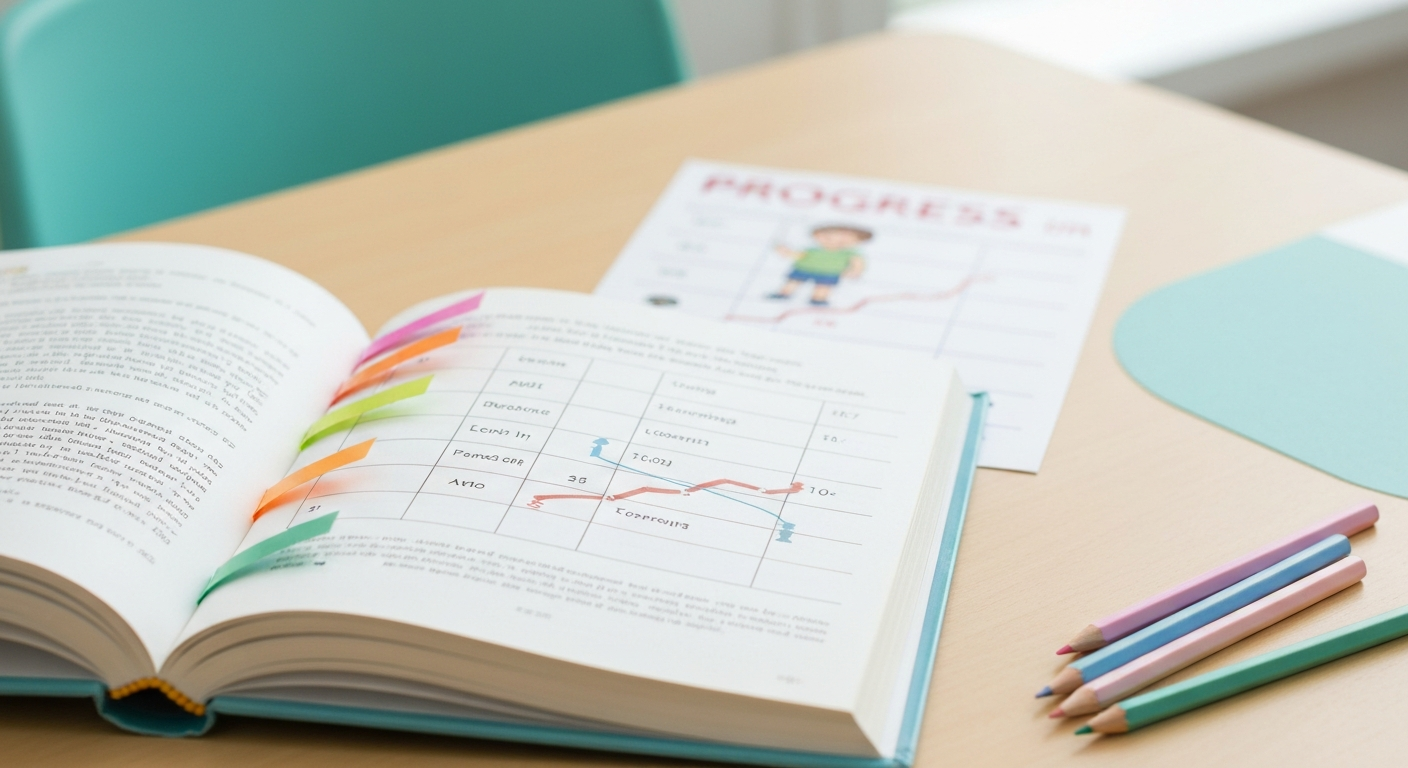
Reading IEP Goals: Examples by Grade Level
Measurable reading goals — for phonics, fluency, and comprehension — with copy-ready examples by grade level, plus how to spot a weak goal before you sign.

Behavior IEP Goals: Examples and How to Write Them
The best behavior goals teach replacement skills, not just “stop doing that.” Here are measurable behavior IEP goal examples and how to make sure yours can be tracked.
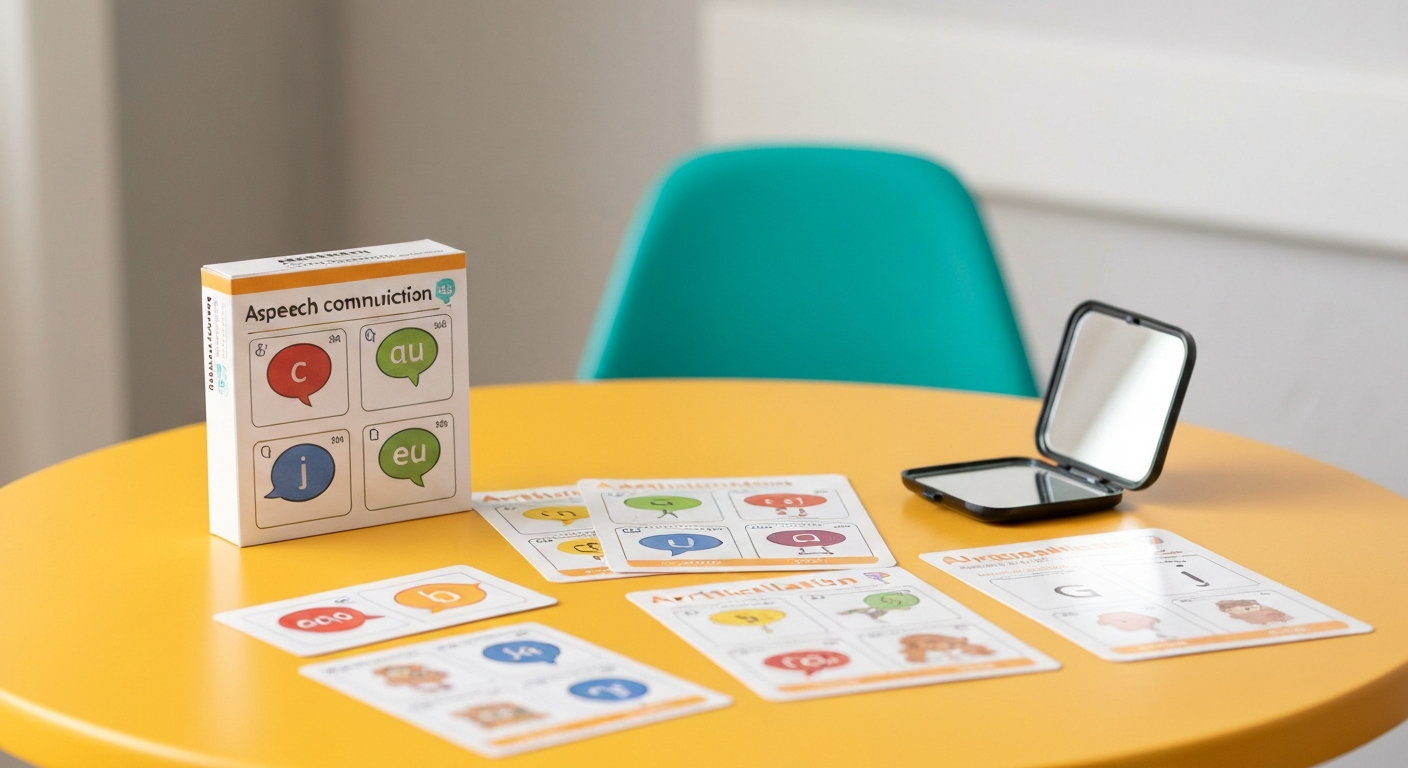
Speech Therapy Goals for an IEP (With Examples)
Articulation, language, social communication, and AAC — measurable speech therapy goal examples for an IEP, and how SLPs track progress on each.

Independent Educational Evaluation (IEE): When and How to Request One
If you disagree with the school's evaluation of your child, you have the right to an independent one — often at public expense. Here's exactly when and how to request an IEE.

What Is a Sensory Diet? A Parent's Guide
A sensory diet is a personalized menu of activities that helps a child stay regulated through the day. Here's how it works, who designs it, and how to use it at home and school.

Autism Meltdown vs. Tantrum: How to Tell the Difference
A tantrum seeks an outcome; a meltdown is overwhelm a child can't control. Knowing which one you're seeing changes everything about how you respond — here's how to tell.

What to Do When the School Isn't Following the IEP
An IEP is a legal commitment — but commitments slip. If services are being missed or accommodations ignored, here's how to document it and escalate, step by step.

Math IEP Goals: Examples by Grade Level
Clear, grade-by-grade math IEP goal examples to help your child succeed. Learn how to write measurable goals that support real progress in math.

Writing IEP Goals: Examples That Actually Work
Learn how to write effective IEP goals that are measurable, meaningful, and actually help your child make progress. Practical examples and step-by-step guidance for parents.

Reading Fluency IEP Goals: Examples and Benchmarks
Clear, actionable reading fluency IEP goals help your child build confidence and skills. Learn what works, see real examples, and understand benchmarks.

Executive Functioning IEP Goals for Your Child
Learn how to write effective executive functioning IEP goals that help your child build organization, time management, and self-regulation skills at school.

Self-Regulation IEP Goals: Helping Your Child Stay Calm and Focused
Learn how to write effective self-regulation IEP goals that help your child manage emotions, stay focused, and succeed in school. Practical examples and strategies included.

Social Skills IEP Goals: Examples for Every Age
Discover age-appropriate social skills IEP goals with real examples to help your child build friendships, communicate confidently, and navigate social situations successfully.

IEP Goals for Organization and Study Skills
Learn how to create effective IEP goals for organization and study skills that help your child succeed in school and beyond.

IEP Goals for ADHD: What to Ask For
Learn which IEP goals for ADHD can help your child succeed at school, with specific examples and tips for building a strong, individualized education plan.

504 Plan for ADHD: Accommodations That Help
A 504 plan for ADHD gives your child essential classroom accommodations. Learn what qualifies, which supports work best, and how to advocate effectively.

504 Plan for Anxiety: A Parent's Guide
Learn how a 504 plan for anxiety can help your child succeed in school. This parent-friendly guide covers eligibility, accommodations, and how to advocate effectively.

IEP vs. 504 Plan for ADHD: Which Does Your Child Need?
Confused about whether your child with ADHD needs an IEP or 504 Plan? Learn the key differences, eligibility requirements, and how to choose the right support for your child's success.

Getting an IEP for Dyslexia: What Parents Need to Know
Learn how to get an IEP for dyslexia, what evaluations your child needs, which accommodations help most, and how to advocate effectively at every step.

IEP Accommodations for Dysgraphia
Discover effective IEP accommodations for dysgraphia that help your child succeed in school. Practical strategies and support for parents navigating the IEP process.